
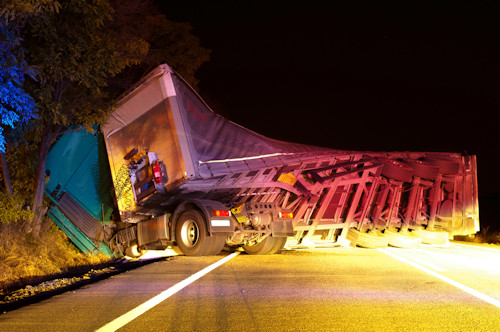
After a serious truck accident, the most important evidence often isn’t visible at the crash scene. That’s because the evidence is digital, and it may disappear quickly if not preserved.
Most commercial trucks are equipped with electronic data systems commonly referred to as a “black box.” These systems record critical information about how a truck was operating before, during, and after a crash. When properly preserved and analyzed, black box data can provide powerful insight into what really happened — and who may be responsible.
Unfortunately, many injured people don’t learn about this evidence until it’s too late.
In this article, we’ll explain what truck black box and Electronic Data Recorder (EDR) data is, what it can reveal, how it’s used in truck accident claims, and why acting quickly can make all the difference.
What Is a Truck Black Box or EDR?
The term “black box” is an informal name used to describe electronic systems that record operational data from a commercial truck. Depending on the vehicle, this data may come from:
- An Electronic Data Recorder (EDR)
- The truck’s Engine Control Module (ECM)
- An Electronic Logging Device (ELD)
- Integrated telematics or fleet-management systems
While these systems serve different purposes, together they create a detailed digital record of how the truck was being driven.
Unlike passenger vehicles, commercial trucks generate large volumes of data, much of which can be crucial in determining fault after a crash.
What Kind of Data Does a Truck Black Box Record?
Black box and EDR data can reveal details that are impossible to reconstruct accurately from witness statements alone. Depending on the truck and system, recorded data may include:
- Vehicle speed
- Brake application (if and when brakes were applied)
- Throttle position
- Engine RPMs
- Sudden deceleration events
- Cruise control usage
- Steering input
- Airbag deployment (if applicable)
- Time and date stamps
- GPS location data
Some systems also record pre-crash and post-crash snapshots, capturing anywhere from a few seconds to several minutes of activity leading up to the collision. This data is objective, and that’s exactly why it’s so valuable.
Why Black Box Data Matters in Truck Accident Claims
Truck accident cases are rarely simple. They often involve multiple parties, complex insurance policies, and aggressive defense teams. Black box data can cut through conflicting stories and establish facts by:
1. Showing What the Truck Was Actually Doing
A driver may claim they were driving cautiously or braked in time. Black box data can confirm or contradict that statement with precision.
2. Revealing Fatigue or Rule Violations
Data may indicate excessive driving hours, inadequate rest, or discrepancies in logbooks. This can support claims involving hours-of-service violations, which are a common factor in serious truck crashes.
3. Helping Establish Liability
When data points to speeding, delayed braking, or unsafe driving behavior, it strengthens the argument that negligence occurred. This can be critical when determining who is legally responsible for the crash.
4. Increasing Settlement Leverage
Objective electronic evidence often forces trucking companies and insurers to reassess their position. Strong data can lead to earlier, fairer settlements.
Black Box Data vs. ELD Data: What’s the Difference?
People often hear about ELDs and black boxes interchangeably, but they serve different functions.
- ELDs primarily track hours worked and driving time to enforce federal safety regulations.
- EDRs/ECMs (black boxes) record vehicle performance and operation data.
In many cases, both systems are used together to build a complete picture of the driver’s behavior and the truck’s performance. When discrepancies appear between ELD logs and black box data, it raises serious red flags.
How Long Is Truck Black Box Data Stored?
One of the most important and misunderstood aspects of black box evidence is how quickly it can be lost.
- Some data may be overwritten within days or weeks
- Certain events are only stored until the truck reaches a set number of engine cycles
- Repairs, continued driving, or system resets can erase key information
Trucking companies are not required to preserve this data indefinitely unless they are formally notified. That’s why early legal action is critical.
Can Trucking Companies Delete or Alter Black Box Data?
In some cases, yes.
While intentional destruction of evidence can have legal consequences, data can also be lost through:
- Continued operation of the truck
- Routine maintenance or repairs
- Software updates
- Improper downloads
- Failure to preserve after notice
This is why truck accident attorneys often send something called a “spoliation letter” immediately, demanding that electronic data be preserved. Without that step, crucial evidence may disappear.
How Black Box Data Is Used to Prove Fault
Black box data rarely stands alone. It’s most powerful when combined with other evidence, such as:
- Police crash reports
- Physical damage analysis
- Skid marks and roadway evidence
- Witness statements
- Cell phone records
- Dispatch communications
- Maintenance and inspection records
Accident reconstruction experts use this information to create a timeline of events and explain how the crash occurred—often down to the second. This level of detail is critical in catastrophic injury or fatal truck accident cases, where the stakes are high and liability is fiercely contested.
Who Can Be Held Responsible Based on Black Box Evidence?
Black box data doesn’t just point to the driver. It can expose broader issues within the trucking operation, including:
- Unsafe company policies
- Pressure to meet unrealistic delivery schedules
- Failure to enforce safety rules
- Poor vehicle maintenance
- Negligent supervision
In many cases, responsibility extends beyond the driver to the trucking company, contractors, or other third parties.
What Should You Do After a Truck Accident to Protect This Evidence?
If you’ve been involved in a truck accident, timing matters. To protect your rights:
- Seek medical care immediately
- Avoid giving recorded statements to trucking insurers
- Document everything you can at the scene
- Do not assume evidence will be preserved automatically or indefinitely
- Contact a truck accident attorney quickly
An experienced attorney can take immediate steps to preserve black box data before it’s lost. For a step-by-step overview, see our guide on the critical mistakes to avoid after a truck accident.
How Shafner Injury Law Uses Black Box Evidence
Truck accident cases require swift action, trusted resources, and technical understanding. At Shafner Injury Law, we act quickly to:
- Send evidence preservation and spoliation notices
- Secure electronic data from multiple systems
- Work with accident reconstruction experts
- Analyze discrepancies in logs and records
- Identify every potential source of liability
Because of our experience in this area of the law, we understand how trucking companies defend these cases and how critical digital evidence can be in holding them accountable.
Black Box Data Can Change the Outcome of a Case
What happened in the moments before a truck crash matters. Black box and EDR data can reveal the truth when stories conflict and memories fade. If you or someone you love was injured in a truck accident, knowing what evidence exists — and how to preserve it — can make a meaningful difference in your case.
Ready to Talk? We’re Here to Listen and Help
If you experienced a truck accident, you don’t have to navigate the aftermath alone. We’ll fight hard for your rights and maximize your recovery. Shafner Injury Law offers compassionate, experienced representation—and we’re ready to help you take the next step.
Contact us today for your free consultation:
info@shafnerlaw.com
303-796-0555
Blog Disclaimer:
Nothing on this blog is intended as legal advice. For legal advice, contact a personal injury lawyer directly.