
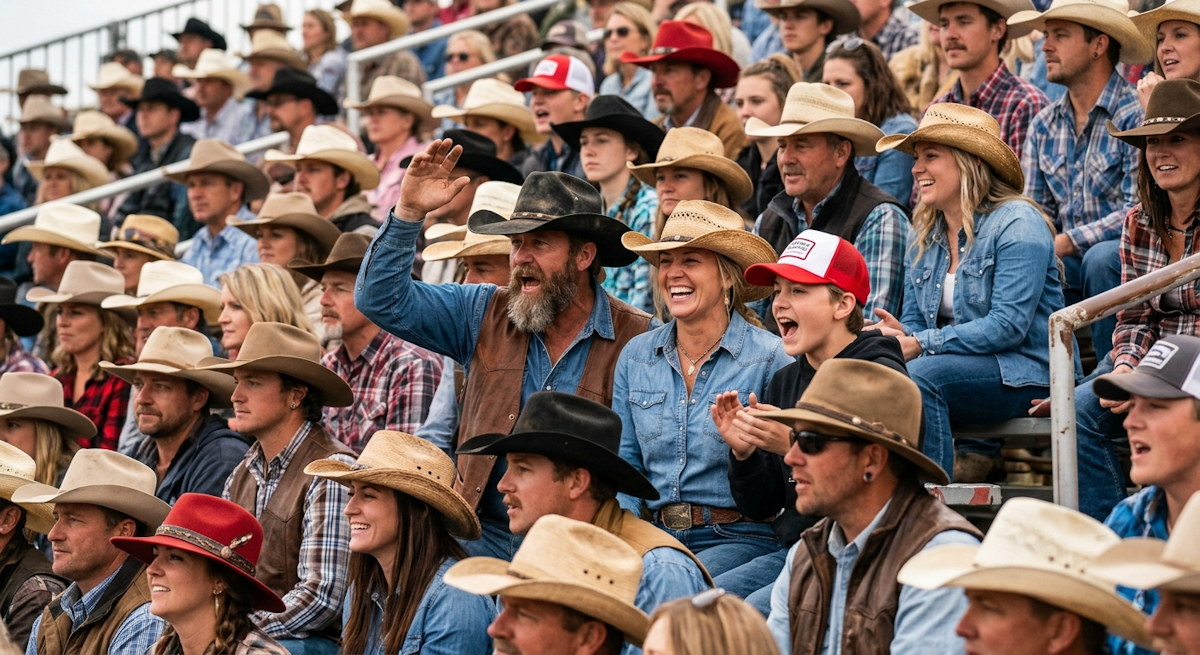
Rodeo and stock show season brings huge crowds to fairgrounds across Colorado and Wyoming, from the National Western Stock Show in Denver to the Greeley Stampede, the Pikes Peak or Bust Rodeo, and Cheyenne Frontier Days. Most of these sites post a sign near the entrance warning that state law limits what you can sue over if you’re hurt around the animals. But if you slipped and fell on a wet walkway or bleacher stairs on your way to your seat, you might see that warning sign and assume you’re out of luck, when the language on that sign covers less than you think.
What Rodeo Warning Signs Actually Mean
Colorado and Wyoming both have an equine activity statute that limits liability for injuries caused by the risks that naturally come from being around horses and other livestock. Courts call these “inherent risks,” or the danger that comes from an animal’s own unpredictable behavior: a sudden kick, a startled animal, an unexpected charge, the kind of thing no amount of caution can fully prevent. If you’re hurt because of one of these behaviors, the event organizer generally can’t be held responsible, which is what the posted warning sign is telling you.
The same laws that create this protection also spell out what falls outside it. In Colorado, for example, the protection doesn’t cover known dangerous conditions or faulty equipment the organizer failed to disclose, inadequate supervision of participants, or reckless disregard for someone’s safety. These fall under premises liability. Wyoming’s version works on similar principles.
Here’s how that works for spectators:
“Inherently risky” incidents under the equine activity law:
- A horse or animal behaving unpredictably near the arena
- Being kicked, bumped, or charged by an animal during an event
- The general unpredictability of livestock in a competition setting
“Ordinary hazards” not included under the equine activity law:
- A manure-slicked or wet walkway between the stands and the concessions
- Loose or unsecured bleacher stairs and railings
- Poor lighting in a parking lot or walkway
- Inadequate supervision of participants or crowds
- A known hazard the organizer never disclosed or fixed
Ordinary hazards are covered by premises liability. This liability is based on the same negligence principle that applies to a fall at a grocery store or an office building, where a property owner has a duty to keep the property reasonably safe.
Who Might Actually Be Liable for Injuries
The event organizer is usually the first place a claim goes, but a rodeo or stock show often involves more than one responsible party. A livestock exhibitor might be running their own section of the grounds. Concession stands and vendor booths are often independent businesses. Some fairgrounds are owned or operated by a city, county, or special district, which can mean a much shorter government claim deadline applies instead of the usual two years. These complex relationships highlight the need to find out who owns and operates the specific spot where you fell as soon as you can.
What to Do If You’re Hurt at a Rodeo or Stock Show
- Get medical attention, even if the injury seems minor
- Report the fall to event staff or venue security and ask for a copy of the incident report
- Photograph the hazard right away; mud, spilled feed, and wet walkways get cleaned up or trampled over fast
- Get names and contact information for anyone who saw what happened
- Hold onto your ticket, and photograph any warning signage you passed on the way in
Why These Slip and Fall Cases Are Harder Than They Look
Events like these are usually insured, and their insurers know the equine liability statute exists. Expect an early argument that your fall counts as an inherent risk of being around livestock, even when what actually happened was a wet walkway or a loose bleacher step that had nothing to do with an animal. Sorting out which category a fall belongs to, and gathering the evidence to prove it, is usually the real work of the case, and an experienced lawyer will know what to expect.
A Note on Timing
Colorado generally gives you two years from the date of injury to bring a premises liability claim, and Wyoming’s general deadline runs longer. If a city or county owns the venue, the government claim process has a much shorter notice window, sometimes under a year. Confirm that information quickly rather than assuming you have years to spare.
Frequently Asked Questions
Does the event warning sign mean I can’t sue at all?
No. It means the event has some protection for injuries caused by an animal’s unpredictable behavior. It doesn’t cover an ordinary hazard like a wet walkway, a broken step, or a lack of supervision.
Does it matter whether an animal was actually involved in my fall?
Yes, it matters a great deal. A fall caused by a horse spooking or kicking is treated very differently than a fall caused by a slippery surface or a broken bleacher.
What if I slipped and fell in a parking lot or concession area, nowhere near the animals?
That’s typically treated as an ordinary premises liability claim, separate from the equine statute entirely.
How long do I have to file a claim?
It depends on who owns the property. A privately run venue generally follows the standard state deadline. A publicly owned fairground may require notice within a much shorter window, so it’s worth checking quickly.
Rodeo Season in Wyoming Isn’t So Different
Cheyenne Frontier Days, Wyoming’s biggest event of the year, sits under the state’s version of this law, the Wyoming Recreation Safety Act. It works on the same basic principle as Colorado’s statute: protection for the unpredictable risks of being around large animals, not for an ordinary fall on the way to your seat.
Free Download: What Happens After an Injury?
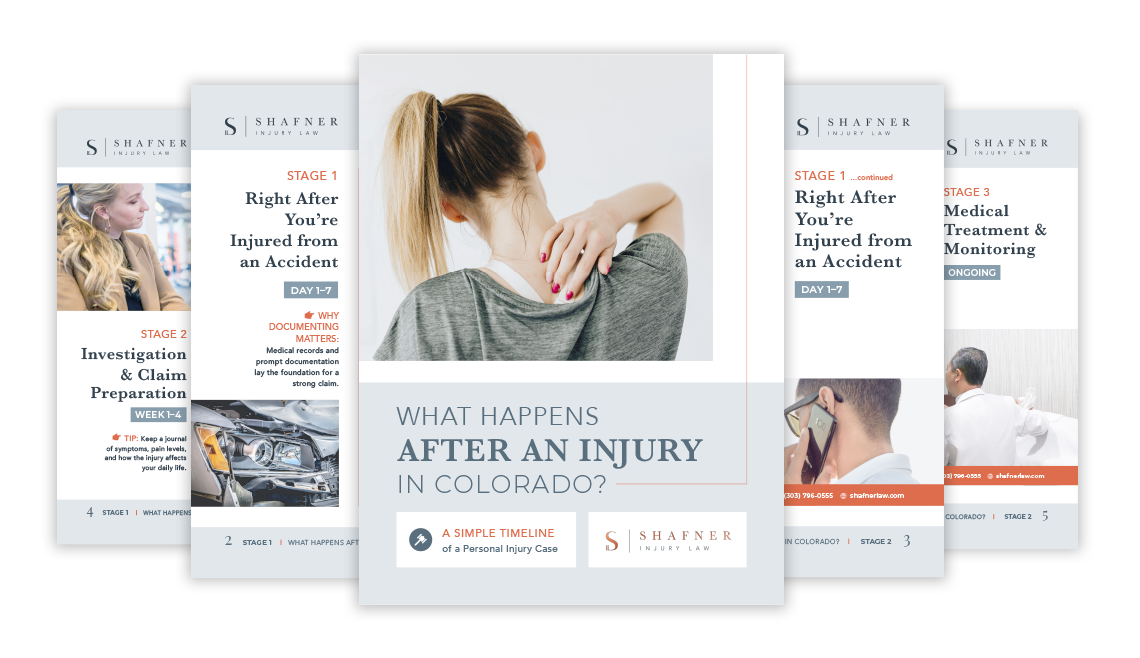
If you’ve been hurt in a slip and fall accident, the amount of information coming at you and the details you need to keep track of can be overwhelming: insurance calls, medical bills, accident reports, and questions from colleagues and family, all while you’re trying to heal.
We put together a free guide that can help you prepare for moments like this. It explains what to expect after an injury in plain language. It’s free and takes about five minutes to read.
Hurt at a Colorado or Wyoming Rodeo or Stock Show? We Can Help
Wherever your fall occurred—in the stands, on a walkway, or near the arena—when you’re hurt at a rodeo, a slip and fall lawyer can help determine whether that warning sign actually applies before you assume there’s nothing you can do.
If you were injured at a rodeo or stock show, we’re here to help. Call our Denver office at (303) 796-0555 for a free consultation and see if you have a case. There are no fees until we win.